
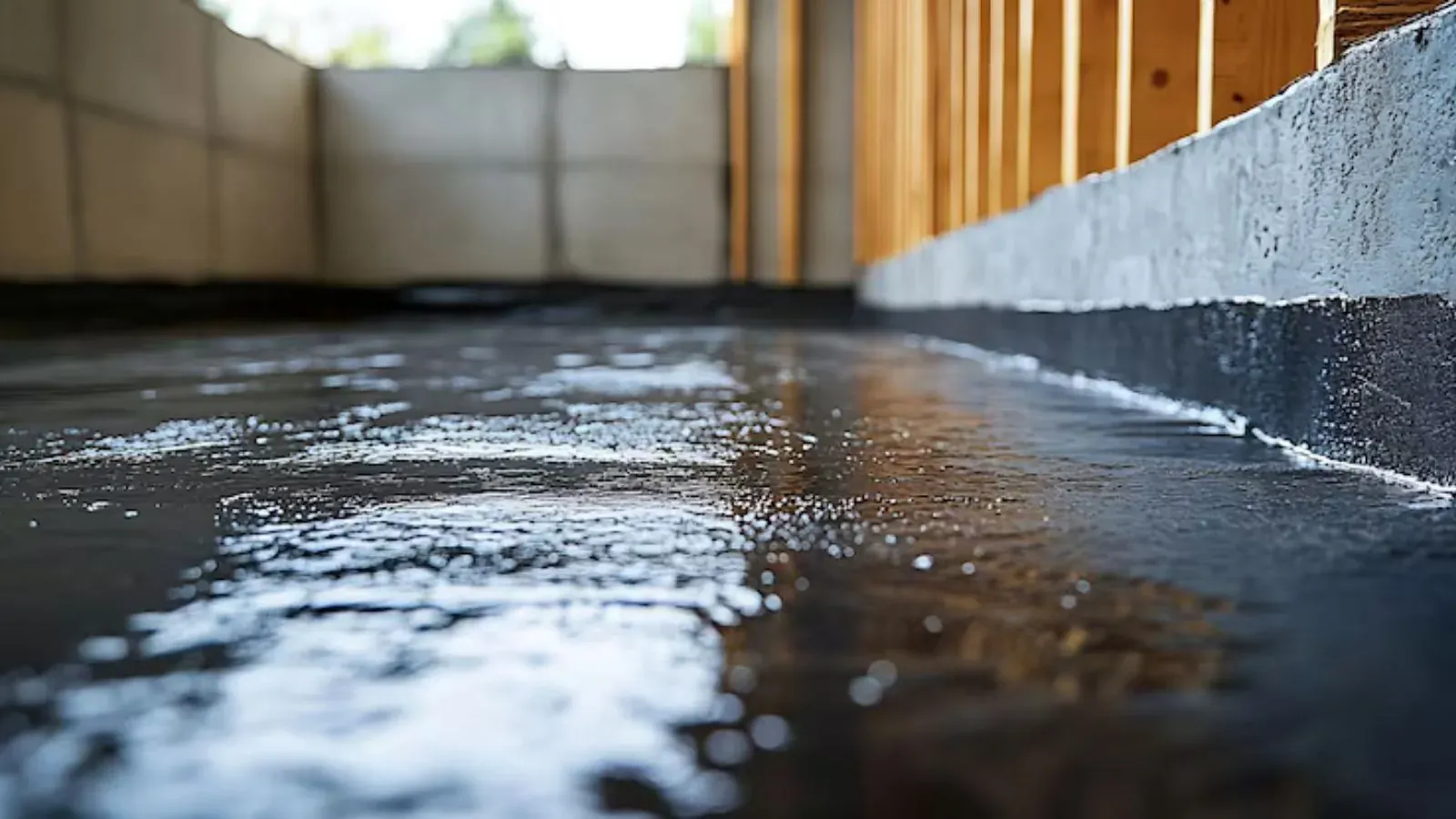
Where basement water comes from.
Water enters in four ways: through cracks in walls and floor, through the joint where the wall meets the floor, through porous block or concrete and from plumbing leaks inside the house. Treating the wrong one wastes money.
We start by finding out if the water is groundwater, surface runoff from the roof and yard, or a plumbing leak. A leak detection check eliminates the last one first.
Waterproofing options compared.
The right choice depends on the source and the house.
| Option. | What it does. | Best for. |
|---|---|---|
| Interior perimeter drain. | Collects water at the footing and sends it to a sump. | Seepage at the wall-floor joint and rising groundwater. |
| Sump pit and pump. | Removes collected water. | Any system with a drain, see sump pump service. |
| Crack injection. | Seals a single crack. | A leaking crack in a poured wall. |
| Wall sealers and coatings. | Reduce dampness. | Minor moisture, not active leaks. |
| Exterior grading and gutters. | Moves roof and surface water away. | Surface runoff. |
Sealers on the inside of the wall do not stop pressure from outside. They can trap water and flake. We say so when a coating is not enough.
Water coming through the wall or floor? Call and ask for an assessment.
Call (855) 575-2890How interior waterproofing is done.
Assess and plan.
We find the source, check the walls and floor and decide where the drain should run.
Open the floor edge.
A strip of concrete along the wall is cut and removed.
Install drain and sump.
A perforated drain pipe in clean stone runs to a sump basin with a pump.
Patch and test.
The floor is patched with concrete. We test by running water at the drain and checking the pump.
Exterior water: gutters, grading and downspouts.
Many wet basements are helped by simple surface work. Gutters that overflow, downspouts that end at the foundation and soil that slopes toward the house put hundreds of gallons against the walls in a storm.
We tell you if surface fixes should come first. We do not do landscaping, but we point to what to ask a contractor.
Mold, humidity and what comes after.
A damp basement grows mold. Cleaning mold without fixing the water is a loop. After waterproofing, the basement needs time to dry, and a dehumidifier helps.
We do not do mold remediation. If you see widespread growth, call a remediation specialist after the water source is controlled.
High groundwater near two rivers.
Chillicothe sits between the Scioto River and Paint Creek, and groundwater here runs close to the surface in wet seasons. Basements in low parts of town and near the rivers are the likeliest to see seepage.
The city's levee system is certified to protect against a flood the size of the 1913 event, but levees keep river water out and do nothing for groundwater under the ground. An interior drain and a reliable pump deal with it.
What affects waterproofing pricing.
We quote the project after the assessment.
- Length of wall to drain. Perimeter length drives the cost.
- Access. Finished basements need more work to open.
- Pump and backup. A dual pump and battery backup adds cost.
- Repairs to walls and floors. Cracks and block need separate treatment.
Seepage damage is generally not covered by homeowners policies, though sudden water entry may be. Ask your insurer and keep the assessment report.
What the standards do and do not cover.
There is no single code for waterproofing, so claims should come from the product's manufacturer data and a clear scope of work. Drain tile and sump discharge connect to the plumbing system under the Ohio Plumbing Code, built on the International Plumbing Code (IPC). Ask any contractor for the discharge point in writing.
Basement waterproofing questions.
.
If water enters occasionally and the pit handles it, a good pump is enough. If water comes through walls or floors across the basement, a drain system helps.
.
It controls liquid water and moves it out. Humidity can persist, so a dehumidifier helps.
We explain what to expect.
.
A dry basement is easier to finish and sell. We provide a written scope you can share.
.
Typically a few days for a basement, depending on size and finish.
.
We check the plumbing first. A leaking supply or drain line is fixed at the source.